How to set up a loyalty programme for your small business (without the faff)
Most loyalty programmes fail because they're too complicated. Here's the simple stamp card approach that independent businesses actually use -- and why it works.

Most small business loyalty programmes fail for the same reason: they're too complicated. Points that expire. Tiers with confusing rules. Rewards that need a calculator to understand. If customers can't immediately grasp how your loyalty scheme works, they won't engage with it -- no matter how generous it looks on paper. Here's the approach that actually works for independent cafés, shops and salons.
The stamp card model still wins
Stamp cards have been around for so long because the mechanic is instantly understood by everyone. Buy something, get a stamp. Collect enough stamps, get a reward. There is no confusion, no maths, no terms and conditions to read.
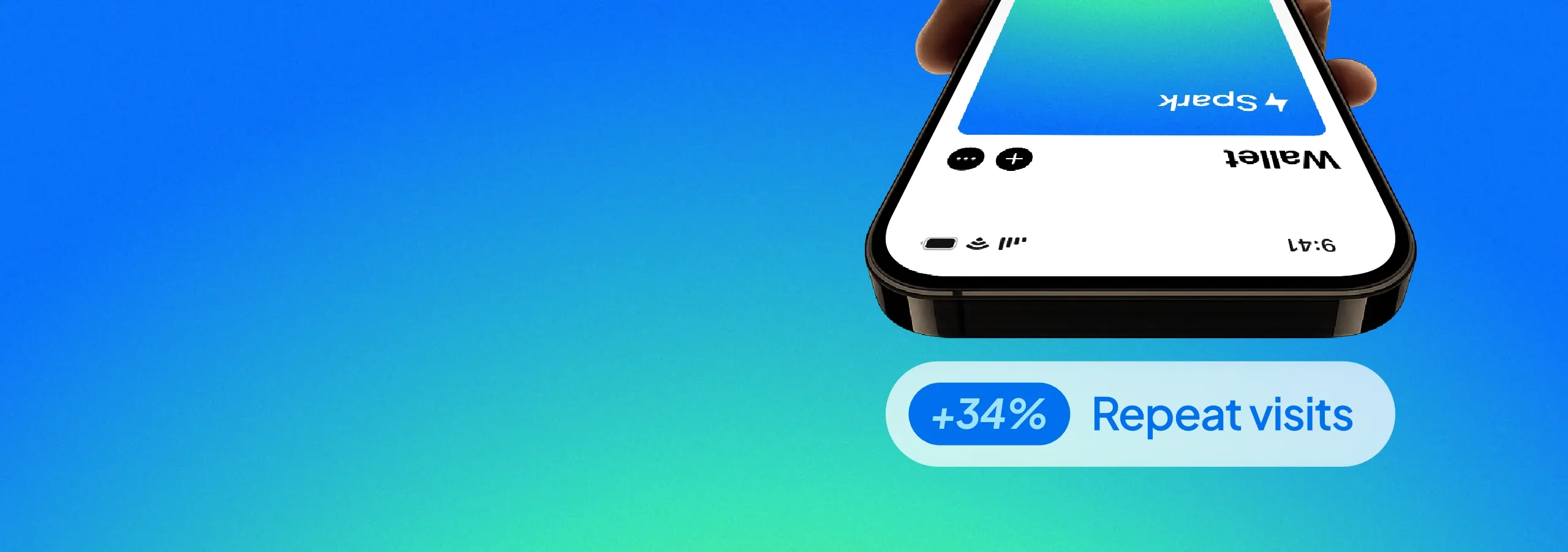
The problem with traditional paper stamp cards is not the model - it is the medium. Digital stamp cards keep the simplicity of the original idea while fixing all the things that actually break the experience: cards getting lost, no way to track progress, no way to send reminders, no data to work with.
Choose a reward customers actually want
The most effective loyalty rewards for independent businesses are almost always product-based rather than discount-based. "Buy nine coffees, get the tenth free" outperforms "Buy nine coffees, get 20% off your next visit" by a significant margin in both engagement and redemption rates.
Why? Because a free product feels like a gift. A discount feels like a marketing tactic. Customers are more emotionally engaged with the former, and more likely to tell people about it.
The reward should also be something you can afford to give. For most food and beverage businesses, a free item costs roughly 25 to 35 percent of its retail price once you account for margin. Work backwards from that to set your stamp threshold.
Make progress visible
One of the most underrated features of a good loyalty programme is progress visibility. When customers can see that they are on stamp 6 of 9, they are far more likely to make that next visit than if they have no idea where they stand.
Digital wallet cards show the current stamp count every time a customer opens their card. Some platforms also let you send a push notification when someone is one stamp away from a reward - which consistently drives visits on days that would otherwise have been quiet.
Keep the rules simple and consistent
Resist the temptation to add complexity. No double-stamp days that only apply to certain products. No stamps that expire after 90 days. No exceptions that need to be explained at the counter.
Every rule you add is another moment where a customer can feel confused, annoyed, or cheated. The goal is for your loyalty programme to generate goodwill - and goodwill requires that customers always feel the system is fair and transparent.
Focus on your best customers
It is tempting to design a loyalty programme to attract new customers. In reality, loyalty programmes are most effective at increasing the frequency of existing customers - people who already like you, but might choose a competitor half the time out of convenience or habit.
A customer who visits twice a month becoming a customer who visits three times a month is worth far more than attracting three new one-time visitors. Design your programme around your regulars, and let it quietly do its work.
A loyalty programme does not need to be clever. It needs to be easy to understand, easy to use, and easy to love. Start simple, measure what happens, and adjust from there.